Hui Merchants
Overview
Hui merchants, originating from the Huizhou region (the region roughly corresponding to the majority of modern-day Huangshan city in Anhui, along with Jixi county in Xuancheng, and the entirety of Wuyuan county in Shangrao, Jiangxi province), were a prominent group of traders in ancient China, renowned for their commercial acumen and cultural contributions. During the Ming (1368–1644) and Qing (1644–1911) dynasties, they gained significant influence, particularly in the salt trade, which brought them immense wealth and social status. Their prosperity not only shaped the economic landscape of the region but also left a lasting legacy in the form of exquisite architecture and art, including the famed Hui-style carvings.
Historical Background
The Hui merchants rose to prominence after the Ming Dynasty, when they established a monopoly in the production and sale of salt, a critical commodity in ancient China. Their success in commerce allowed them to amass great fortunes, which they invested in creating luxurious homes and supporting cultural endeavors. The merchants were deeply influenced by Confucian values, emphasizing education, family lineage, and the preservation of traditions. This cultural ethos was reflected in their architectural choices, where homes were designed to symbolize wealth, status, and respect for ancestral heritage.
Architectural Legacy
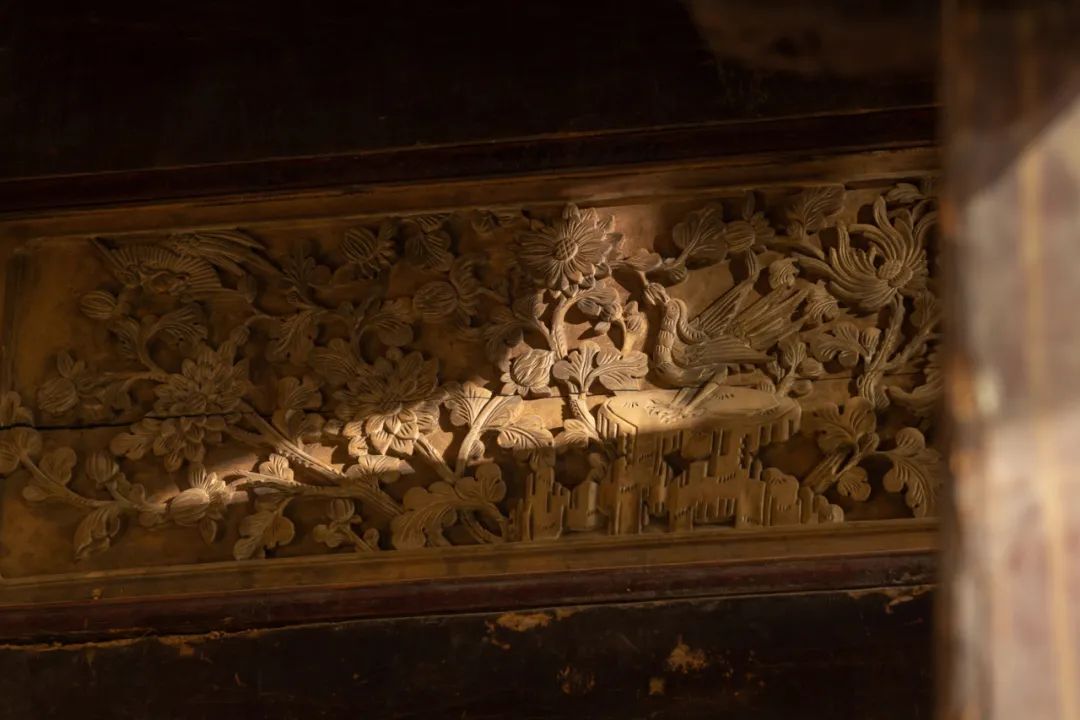
One of the most striking legacies of the Hui merchants is their contribution to traditional Chinese architecture, particularly in Huizhou. The ancient buildings in this region are celebrated for their intricate designs and artistic craftsmanship. Hui-style carvings, including brick, stone, and wood carvings, are among the most notable features of these structures. Brick carvings, in particular, were a hallmark of Hui architecture, adorning gateways, walls, and other exterior elements of homes.
The hierarchical system in traditional Chinese house building imposed strict regulations on materials and room sizes. As a result, Hui merchants focused their wealth on elaborate decorations, especially brick carvings, to demonstrate their power and prestige. The more intricate the carvings, the higher the status of the homeowner. This cultural emphasis on architectural artistry gave rise to a popular saying in Huizhou: "If it takes you 100 days to build, you have a gateway for 1,000 days," highlighting the importance and complexity of brick carvings.
Hui-style brick carvings are renowned for their exquisite detail and craftsmanship. These carvings often depict historical figures, scenes from opera stories, and classical gardens, showcasing the artisans' skill and creativity. The craft reached its zenith during the Ming and Qing dynasties, with master carvers capable of creating intricate nine-layer patterns on bricks as thin as eight centimeters. Such works required immense precision and artistry, making them highly valued cultural artifacts.
Cultural Significance
The Hui merchants' emphasis on creating ideal living environments extended beyond mere aesthetics. Their homes were designed to reflect their cultural values, with each architectural element carrying symbolic meaning. The elaborate carvings on gateways and walls served as a testament to the family's lineage, achievements, and aspirations. These artistic expressions also preserved the stories and traditions of the time, providing a window into the cultural and social fabric of ancient Huizhou. Brick carvings, in particular, hold a special place in Hui culture. They are not only a form of artistic expression but also a means of connecting with the past. Article reference1. Wealth of tradition is deeply etched in brick. chinadaily.com.cn. 2017Photo Gallery(4 pictures)CategoriesRegional CultureTagAncient Chinese HistoryHistorical FiguresCatalogue1. Overview2. Historical Background3. Architectural Legacy4. Cultural Significance- - - []








